Categoría: News

  • Meet the LIATER laboratory and its commitment to energy innovation

    Meet the LIATER laboratory and its commitment to energy innovation

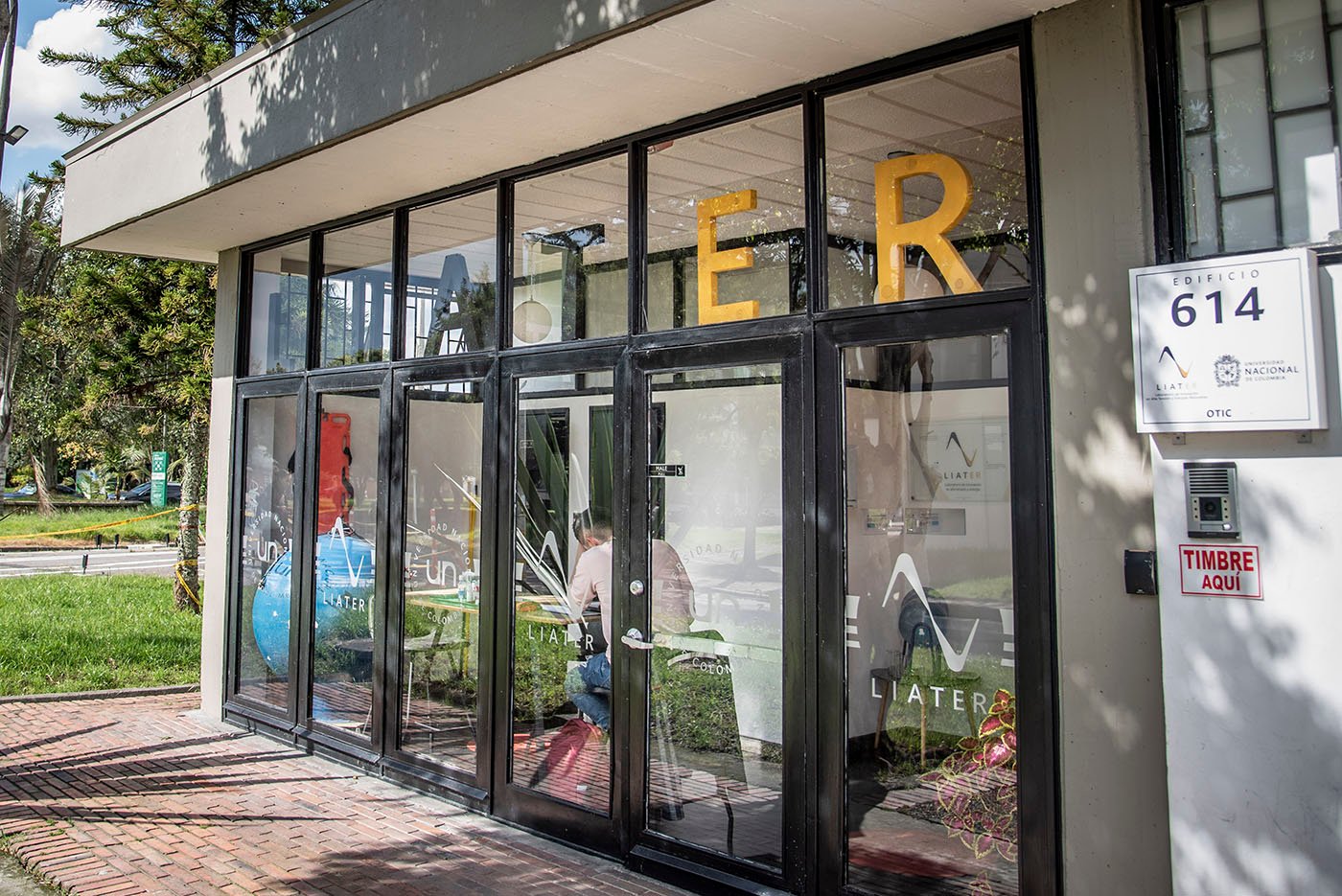
    The Laboratory for Innovation in High Voltage and Renewable Energy (LIATER) of the Faculty of Engineering of the National University of Colombia has established itself as a center of excellence in the development of innovative and sustainable solutions in the field of energy and digital technology.

    Officially launched in 2019 with the support of ENEL-CODENSA, LIATER’s mission is to foster innovation and collaboration between academia, industry and other actors in the energy sector, with the aim of addressing the challenges of energy transformation in Colombia. Since its creation, the laboratory has developed numerous projects of significant impact.

    One of LIATER’s most outstanding projects is Ecopetrol’s open innovation challenge, in which the laboratory was the winner, demonstrating its ability to develop valuable solutions for companies and individuals. In addition, the laboratory has developed a “solar box” to bring solar photovoltaic energy to isolated areas of the country, and has created the Smart Asset Management System (SAMS) platform to manage assets online, which has been recognized internationally.

    A notable example was the inaugural conference of the XII Diploma in Photovoltaic Systems 2025-1, where the challenges of interconnecting electrical systems with inverter-based resources such as photovoltaic, wind and battery systems were discussed by Professor Ernesto Pérez. This event also saw the launch of the International Conference on Photovoltaic Systems and Technologies: Trends and Innovations.

    In addition, LIATER participated in the #bifipv 2025 event in Antofagasta, where they shared advances in bifacial technology of photovoltaic modules and visited the ATAMOSTEC solar platform, underlining its commitment to excellence and innovation.

    The laboratory has established strategic alliances with companies such as ENEL-CODENSA and Cisco, which has made it possible to accelerate technological development and improve the training of professionals in the energy sector. LIATER has also received multiple awards, including an honorable mention at the XXI International Conference on Maintenance and Asset Management.

    LIATER is also the laboratory in charge at the Bogotá branch of the National University within its union with CACTUS, a consortium that aims to promote research and development in solar photovoltaic energy.

    The laboratory continues to seek new opportunities to innovate and contribute to the sustainable development of the country. With ongoing projects and a strong network of collaborators, LIATER is well positioned to be a leader in energy and digital transformation in Colombia, establishing itself as a true catalyst for change and sustainability.

    You can learn more about this laboratory through their social networks:
  • Boost your career with the Diploma in Design of Photovoltaic Installations of the National University of Colombia 2025-1

    Boost your career with the Diploma in Design of Photovoltaic Installations of the National University of Colombia 2025-1

    The energy transition is a reality in Colombia and the world. With the rise of renewable energies, knowledge about photovoltaic installations has become a key skill for engineers, technicians and professionals in the electrical and energy sector.

    For this reason, the National University of Colombia, in collaboration with the LIATER laboratory, has launched a new edition of its Diploma in Photovoltaic Installation Design. This academic program offers specialized training in the design, operation and economic evaluation of small and medium scale photovoltaic systems.

    Why study this diploma course?

    • Non-conventional energy sources are booming, and knowledge of photovoltaics opens up new opportunities for employment and professional development.
    • It has a practical and specialized focus, since it includes laboratories, simulations with specialized software such as PVsol and PVsys, and practices in real photovoltaic plants.
    • Certification by one of the most prestigious institutions in the country.
    • Virtual classes with the option of face-to-face sessions for practices in Bogota.

    The participants will learn about:

    ✅ Regulation and standards for the photovoltaic sector in Colombia.
    ✅ Design and sizing of grid-connected and off-grid systems.
    ✅ Economic evaluation and feasibility of solar projects.
    ✅ Safety and maintenance of photovoltaic installations.
    ✅ Simulation of PV systems with advanced tools.

    The program is taught by a team of national and international experts with experience in energy policy, system design and financial analysis of photovoltaic projects. It is designed for engineers, architects, industrial designers, technicians and technologists who wish to specialize in the area of photovoltaic solar energy.

    If you are looking to expand your knowledge in renewable energies and stand out in a growing field, this diploma course is for you. Don’t miss this opportunity to specialize in one of the most dynamic sectors of engineering!

    For more information, visit the web page of the XII Diploma: Photovoltaic Installation Design.

  • Meet CACTUS: An International Alliance for Solar Energy

    Meet CACTUS: An International Alliance for Solar Energy

    In the field of renewable energy, the European consortium CACTUS (Collaborative Action for the Construction and Upgrading of Terrestrial Solar) is a key initiative that joins international forces to promote research and development in the field of photovoltaic solar energy, where collaboration and knowledge sharing are essential to move towards a more sustainable future.

    CACTUS is a European consortium funded by the European Commission through the European Research Executive Agency (REA). This ambitious initiative was launched in December 2023, with the aim of revolutionizing solar and photovoltaic technologies by enhancing collaboration between the European Union (EU) and Latin America and the Caribbean (LAC) regions.

    One of the most outstanding features of CACTUS is its collaborative approach that transcends European borders. Institutions from Chile and Colombia, including the National University of Colombia (UNAL), are part of this initiative. Their participation not only strengthens academic and research ties between Europe and Latin America, but also allows access to advanced resources and knowledge in the field of solar energy.

    The CACTUS project aims to develop a bi-regional and sustainable ecosystem of complementary research infrastructures (RI), strengthening knowledge and collaboration between the EU and LAC regions. Among its objectives are the enhancement of research infrastructures, the optimization of the portfolio of services, the establishment of common data protocols, the advancement of techno-economic and sustainable assessment, the promotion of bi-regional cooperation and the facilitation of scientific collaboration.

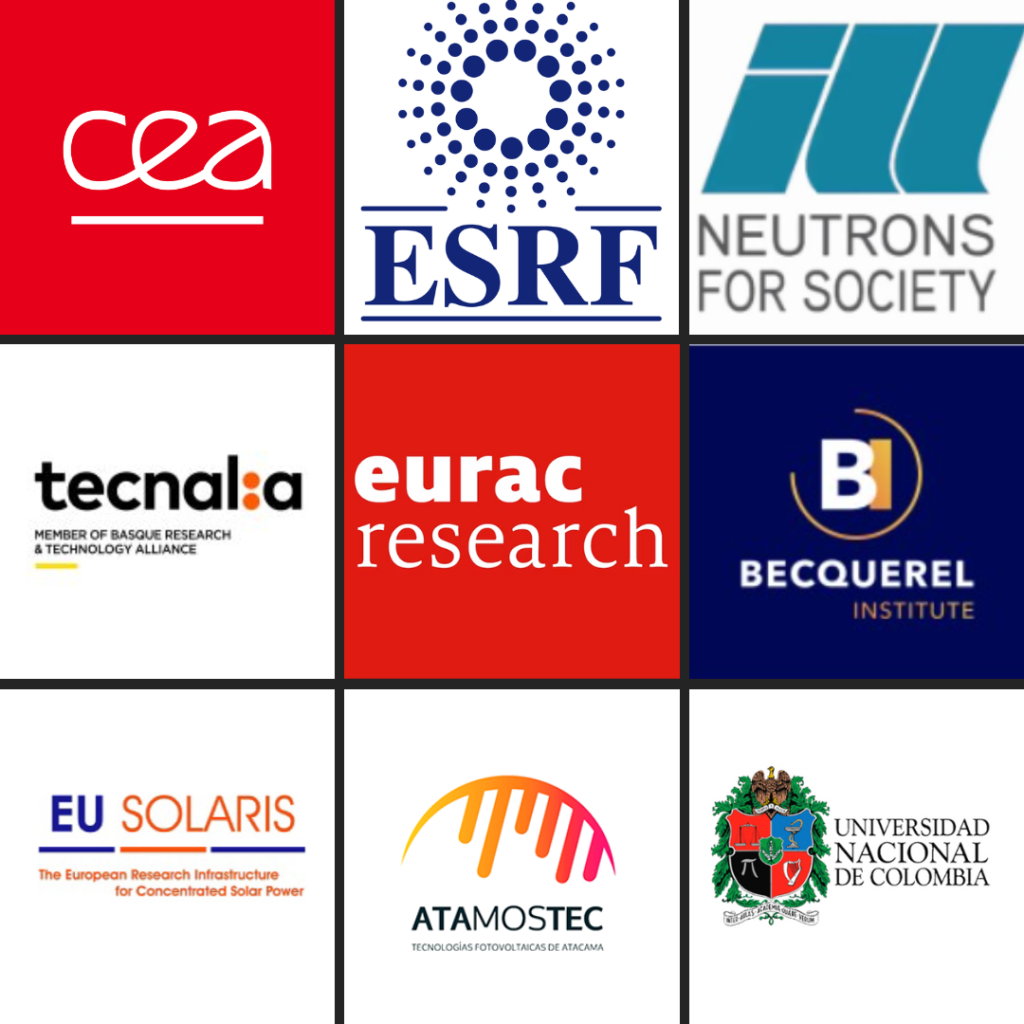
    The CACTUS consortium is composed of 9 key partners from 4 EU member states (France, Belgium, Italy and Spain) and 2 Latin American countries (Chile and Colombia). Each brings its expertise and resources in the field of solar energy:

    1. Commissariat à l’Energie Atomique et aux Energies Alternatives (CEA): Leader in energy research in France.
    2. European Synchrotron Radiation Facility (ESRF): Advanced research center in Belgium.
    3. ILL – Neutrons for society: Leading scientific research institution in France.
    4. EURAC: Renewable energy research institute in Italy.
    5. TECNALIA: Research and technological development center in Spain.Becquerel Institute: Photovoltaic research institution in Belgium.
    6. European Solar Research Infrastructure For Concentrated Solar Power (EU SOLARIS): European solar research initiative.
    7. ATAMOSTEC: Chilean initiative for the development of solar technologies.
    8. Universidad Nacional de Colombia (UNAL): Leader in research and education in Colombia.

    The impact of CACTUS is reflected in the technological and scientific advances that emerge from its collaborative projects. The joining of forces between Europe and Latin America not only accelerates the development of photovoltaic technologies, but also contributes to the training of highly skilled professionals in the solar energy sector. With a focus on mitigating and adapting to the challenges of climate change, CACTUS is committed to promoting environmentally friendly solutions.

    References

    Information obtained from the following list of references. Be sure to visit their websites for more details.

    • pv magazine LATAM (2024, February 12). Chilean and Colombian institutions participate in the European CACTUS project on photovoltaic research. Retrieved from https://www.pv-magazine-latam.com/2024/02/12/instituciones-de-chile-y-colombia-participan-del-proyecto-europeo-cactus-sobre-investigaciones-fotovoltaicas/
    • Portal Minero (2024, February 12). European Union partners with Atamostec to develop solar photovoltaic energy. Retrieved from https://www.portalminero.com/wp/union-europa-se-asocia-con-atamostec-para-desarrollar-energia-solar-fotovoltaica/
    • Universidad Nacional de Colombia (2024, January 30). CACTUS Project: EU – Press Release. Retrieved from https://editorial.unal.edu.co/investigación/apoyo-a-la-investigación/boletín-siun/663/proyecto-cactus-eu-comunicado-de-prensa-30-ene-2024
  • The Future of Solar Energy: Innovations You Can’t Miss in 2025

    The Future of Solar Energy: Innovations You Can’t Miss in 2025

    As the world moves towards greater adoption of sustainable energy sources, solar energy remains one of the most promising options. 2025 is no exception and brings with it a series of innovations that promise to revolutionize the sector. While solar technology has advanced considerably over the past decades, what lies ahead has the potential to exceed all expectations.

    In this Blog, we will explore some of the most exciting trends that are capturing the attention of experts and enthusiasts alike. It’s not just about increasing efficiency and durability but also about making solar energy more accessible and affordable for everyone. What new developments does the near future hold?

    Bifacial solar panels, a notable evolution in solar technology, allow the capture of light on both the front and back sides of the panel. This innovative design can significantly increase panel efficiency by leveraging the light reflected on the surface behind it.

    Depending on installation conditions, bifacial panels can increase efficiency by between 5% and 30%. This technology is ideal for both large solar plants and self-consumption installations in homes and businesses. Additionally, bifacial panels are particularly effective in areas with high reflectance, such as snowy areas or white gravel-covered surfaces, which expands their applicability in various environments. It is also important to note that these panels have greater durability due to their ability to reduce thermal stress by better distributing the temperature between both sides of the panel. This results in a longer lifespan and lower long-term maintenance costs.

    On the other hand, perovskite solar cells are emerging as one of the greatest revolutions in the field of solar energy. Using a material with a high capacity for absorbing solar radiation, these cells can achieve efficiencies greater than 30%, surpassing conventional silicon cells. Additionally, perovskite solar cells are more economical and versatile, facilitating their adoption in large-scale and residential solar projects.

    The flexibility of perovskite cells allows them to be integrated into curved surfaces and building materials, opening up new possibilities for their use in building facades and unconventional roofs. They are not only more efficient but also easier to manufacture, which significantly reduces production costs. Furthermore, research is being conducted to improve the stability and resistance to environmental conditions of perovskite cells, which could make them even more competitive in the solar market.

    The trends in solar panels for 2025 are marking a significant change in the solar energy industry. These technologies not only improve the efficiency and durability of solar panels but also contribute to sustainability and cost reduction. It is an exciting time for solar energy, and these innovations are just the beginning of what is to come.


    References
    Information obtained from the following list of references. Be sure to visit their websites for more details.

    • Naturgy. (n.d.). Perovskita: The Revolution in Solar Panels. Retrieved from https://www.naturgy.es/hogar/blog/perovskita_la_revolucion_en_paneles_solares
    • Made-in-China. (2025). 3 Exciting Solar Panel Innovations of 2025 to Embrace for Sustainable Living. Retrieved from https://insights.made-in-china.com/es/3-Exciting-Solar-Panel-Innovations-of-2025-to-Embrace-for-Sustainable-Living_mTYfsyBlvJHU.html
    • EV Wind. (2025). The Advancement in Perovskite Solar Cells Improves Efficiency and Durability. Retrieved from https://www.evwind.com/2025/01/10/el-avance-en-las-celulas-solares-de-perovskita-mejora-la-eficiencia-y-la-durabilidad/
    • E4e Solutions. (2025). Main Solar Energy Trends for 2025 You Should Know About. Retrieved from https://www.e4e-soluciones.com/blog-eficiencia-energetica/principales-tendencias-en-energia-solar-2025-que-debes-conocer
    • Helukabel México. (2025). Trends in Photovoltaic Installations. Retrieved from https://helukabelmexico.com/noticias/tendencias-en-instalaciones-fotovoltaicas/
    • Tamesol. (2024). The Future of Solar Energy: Innovations and Trends in Photovoltaic Technology for 2024. Retrieved from https://tamesol.com/es/el-futuro-de-la-energia-solar-innovaciones-y-tendencias-en-tecnologia-fotovoltaica-para-2024/
    • Solar Reviews. (n.d.). Solar Panel Technologies That Will Revolutionize Energy Production. Retrieved from https://www.solarreviews.com/es/blog/tecnologias-paneles-solares-que-revolucionaran-produccion-energia