Speakers
Organized by


World-renowned speakers take part in our academic panels
Schedule.
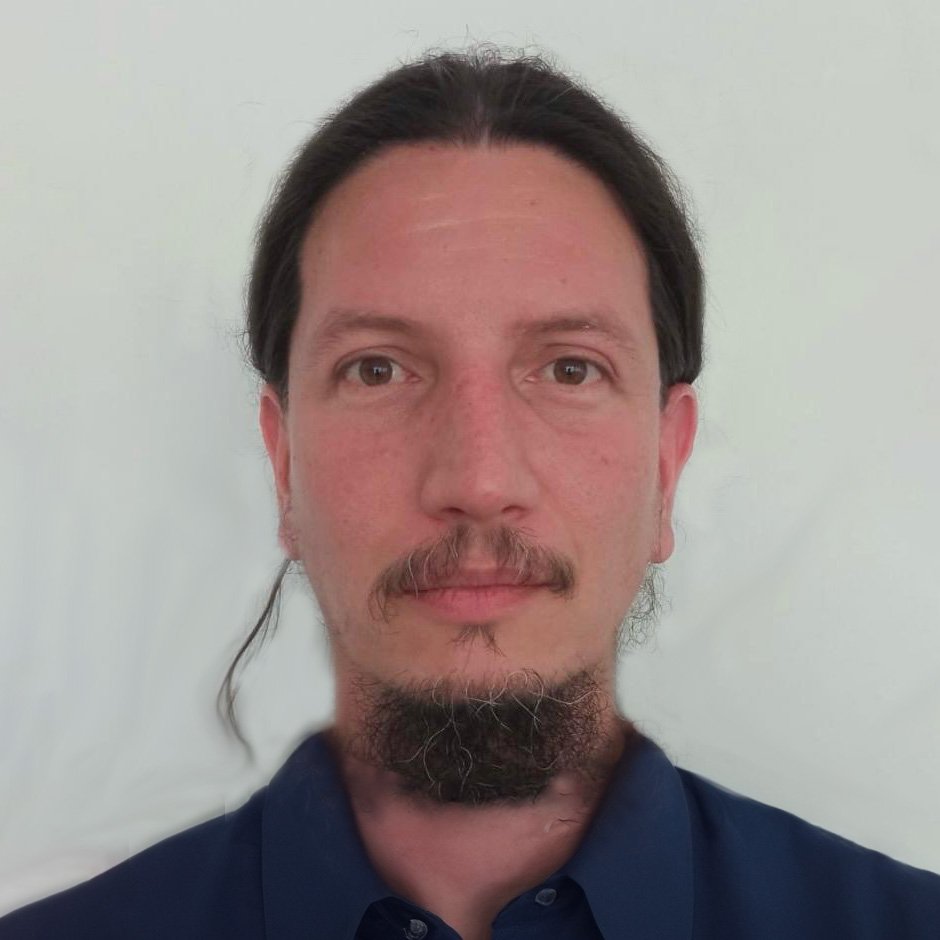
Felipe Valencia Arroyave
Dr. Felipe Valencia Arroyave is a Control Engineer from the National University of Colombia, where he also obtained his Master’s degree in Industrial Automation and his PhD in Energy Systems Engineering (Summa Cum Laude). He completed a post doctorate in Renewable Energy and Solar Applications at the University of Chile in the strategic project Solar Energy Research Center SERC-Chile. He currently teaches at the Universidad Austral de Chile and is technology manager of the corporation ATAMOSTEC.
He has led projects in renewable energy, automation and control of energy systems, including 1) Ayllu Solar: exploitation of the solar potential of the region of Arica and Parinacota, Chile, to promote its transition to sustainable development (2015-2019); 2) ATAMOSTEC: technology program for the development of photovoltaic modules and systems suitable for the conditions of the Atacama Desert, Chile (2019-2023); 3) Generation of green jobs in Kenya and Cameroon, through the International Fund for Agricultural Development (IFAD) and International Labor Organization (ILO) intervention initiative “Integrated Agribusiness Hubs – Job Open to the Youth, JOY” (2021-2022); 4) World Bank project in Colombia “Energética 2030”, a project that seeks to define strategies for transforming the Colombian energy sector by 2030; 5) Energy-environmental analysis of rural production value chains in Belize, Jamaica and Guyana: Climate costs and reduction alternatives”, which is being developed within the framework of the Farmers’ Organizations of Africa, the Caribbean and the Pacific (FO4ACP) program implemented by the Food and Agriculture Organization of the United Nations (FAO) in the Caribbean in collaboration with PROCASUR and funds from the International Fund for Agricultural Development (IFAD).
His recognitions include the Paper of the Year in NeuroImage (2018), the Summa Cum Laude distinction for his doctoral thesis (2012), the distinction of honorary degree for his performance in the Control Engineering program (2007) and technological innovation awards granted by Colciencias.
With more than a decade of teaching experience in universities in Colombia and Chile, he has trained professionals in renewable energy and industrial automation, contributing to the development of sustainable technological solutions.

Delfina Muñoz
Dr. Delfina Muñoz is the research director of the Solar Energy Department at CEA-Liten. She is an industrial engineer and obtained her PhD in photovoltaics at the Polytechnic University of Catalonia. Since 2005, she has developed a distinguished career in the field of solar energy, focusing on research and optimization of advanced photovoltaic technologies.
Dr. Muñoz is a reference in the field of photovoltaics, her work focuses on the development of heterojunction and tandem solar cells with perovskite, performance evaluation of bifacial solar modules, degradation analysis under various conditions and eco-design of solar technologies.
He is currently actively involved in several key international initiatives in the PV sector. Since 2019, she is a member of the steering committee of ETIP-PV, in addition to being part of the board of the ATAMOSTEC project in Chile, focused on the reliability of PV technology in desert areas. She also contributes as an organizer and topic committee member in international conferences such as WCPC, PVSEC and IEEE, and serves as a reviewer in high impact scientific journals in the PV area.
In addition to her work as a European project manager, Dr. Muñoz continues her experimental work in the laboratory, directing PhD students and contributing to the development of the next generation of photovoltaic technology.
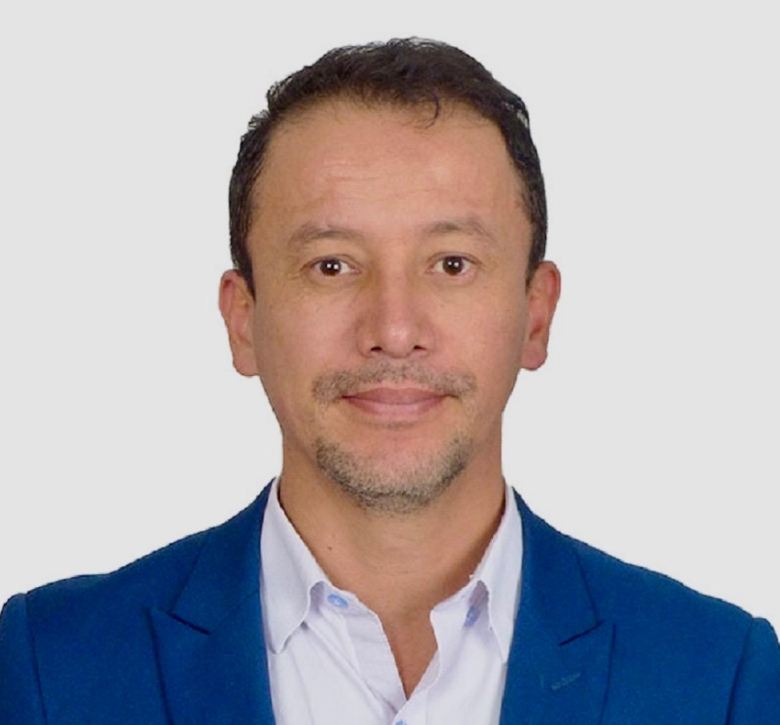
Pedro Pineda Parra
Pedro Jaime Pineda is an Electrical Engineer and holds a Master’s Degree in Electrical Engineering from the Universidad Nacional de Colombia, where he obtained a Meritorious Mention. He has a Master’s Degree in Renewable Energies from the University of León, Spain with Honors and is currently advancing his doctoral dissertation in Electrical Engineering at the University of Puerto Rico, Mayagüez Campus. His research focuses on the resilience of energy systems in vulnerable communities exposed to extreme events associated with climate change. His training is complemented with international courses in clean energy and sustainable development in India and Israel.
He is a renewable energy expert with more than 20 years of experience in the design, evaluation and implementation of sustainable energy projects. His work has been focused on the promotion of energy solutions for rural communities, the formulation of public policies on energy and the development of strategies for energy transition. He has worked in international cooperation with the OEI (Organization of Iberoamerican States) as national coordinator of the Iberoamerican project for the solar energization of rural schools “Luces Para Aprender” and in the United Nations Development Program (UNDP) as a renewable energy professional for the project “Sustainable Communities for Peace”. He has been an advisor in energy supply, public policy and project formulation for the Sustainable Rural Energization Plans for Colombia (PERS) and support in the supervision and evaluation of projects of the FAZNI fund of the Institute for Planning and Promotion of Energy Solutions in Non-Interconnected Zones (IPSE).
Additionally, he has been a lecturer in renewable energy, energy and sustainability. Throughout his career, he has led initiatives that combine technology, energy access, mitigation and adaptation to climate change, contributing to the development of sustainable and equitable energy systems.
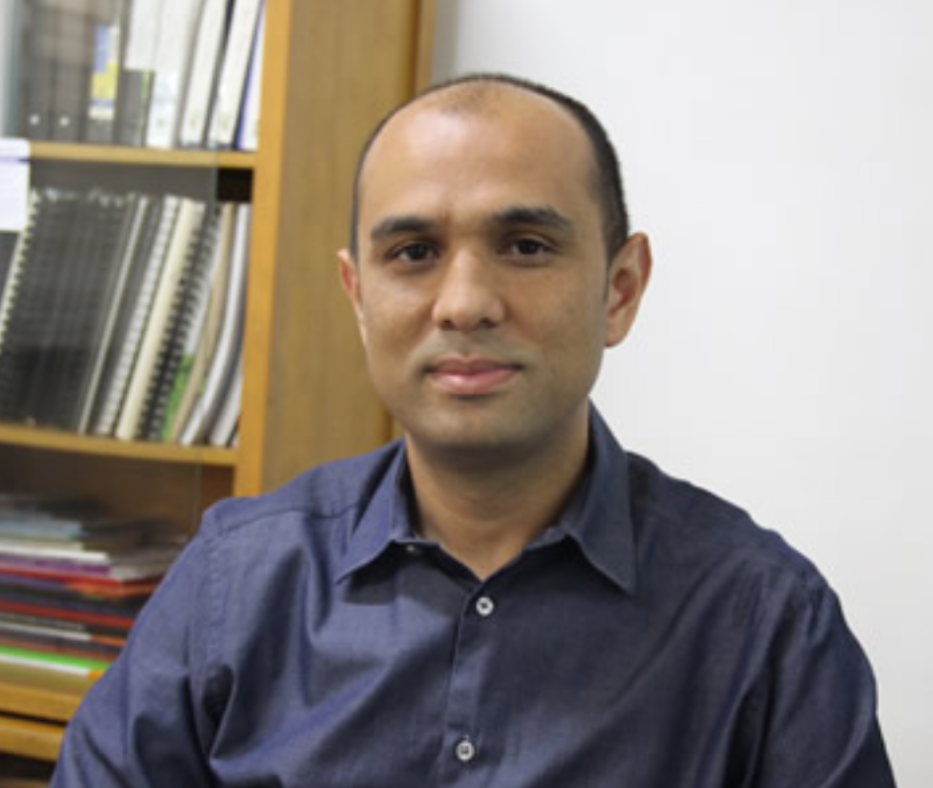
Ernesto Pérez
Dr. Ernesto Perez is an Electrical Engineer from the National University of Colombia. Since 1998 he is a member of the PAAS-UN research group, where he currently serves as leader. Professor at the Universidad Nacional de Colombia, he has held various academic and administrative positions, including the direction of the Curricular Area of Electrical Engineering, Electronics, Automation and Telecommunications at the Manizales Campus, the direction of the Department of Electrical Energy and Automation in the Faculty of Mines, Medellin Campus, and the Vice-Deanship of the same Faculty. He is also a Fulbright visiting professor at Duke University. He has been a visiting researcher at the University of Bologna, Italy, working on lightning protection, and a visiting professor at Virginia Tech, where he researched synchrophasors, IEC61850-based protections and real-time simulators.
With more than 18 years of experience in research and consulting projects, he has worked in protection, operation and supervision of electrical power systems, collaborating with companies such as InterColombia, ISA, XM, CODENSA, CHEC and EEB. His academic production includes more than 40 national and international publications, the edition of a book published by the National University of Colombia and the development of specialized software for performance analysis of distribution lines. He has led initiatives for the modernization of electrical networks and the implementation of new technologies in the energy sector.
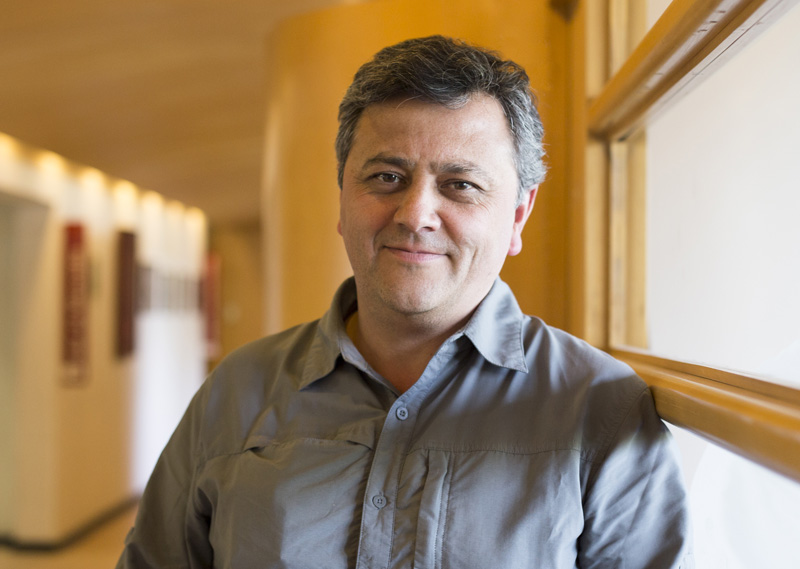
Rodrigo Palma
Dr. Rodrigo Palma Behnke is a Civil Engineer specialized in Electricity. He also holds a Master’s degree in Engineering Sciences and a Ph.D. in Engineering from the University of Dortmund, Germany. Since 1999, he has been a Full Professor at the University of Chile, where he is also a member of the university’s Energy Center. His career has focused on the analysis and development of electric power systems, with a strong emphasis on the integration of renewable energies, particularly solar energy. He has also worked on the design and optimization of educational tools applied to engineering.
Throughout his academic career, he has worked closely with both public and private institutions in Chile and internationally. His research experience has been aimed at improving the operation of electric systems in competitive markets, seeking technological solutions that facilitate the energy transition and the efficient use of renewable resources. He has played an active role in the creation of energy policies and has contributed to key studies for the transformation of Chile’s electric sector.
Currently, he leads the FONDAP-CONICYT Center of Excellence for Solar Energy, where he promotes innovative projects related to the integration of renewable energies into the national energy system. His work in both the academic and professional fields is complemented by his participation in multiple advisory committees, such as the Energy 2050 Advisory Committee. Additionally, he is a senior member of IEEE and has had a distinguished role as president of the IEEE Chile Section.
Daniel Arango
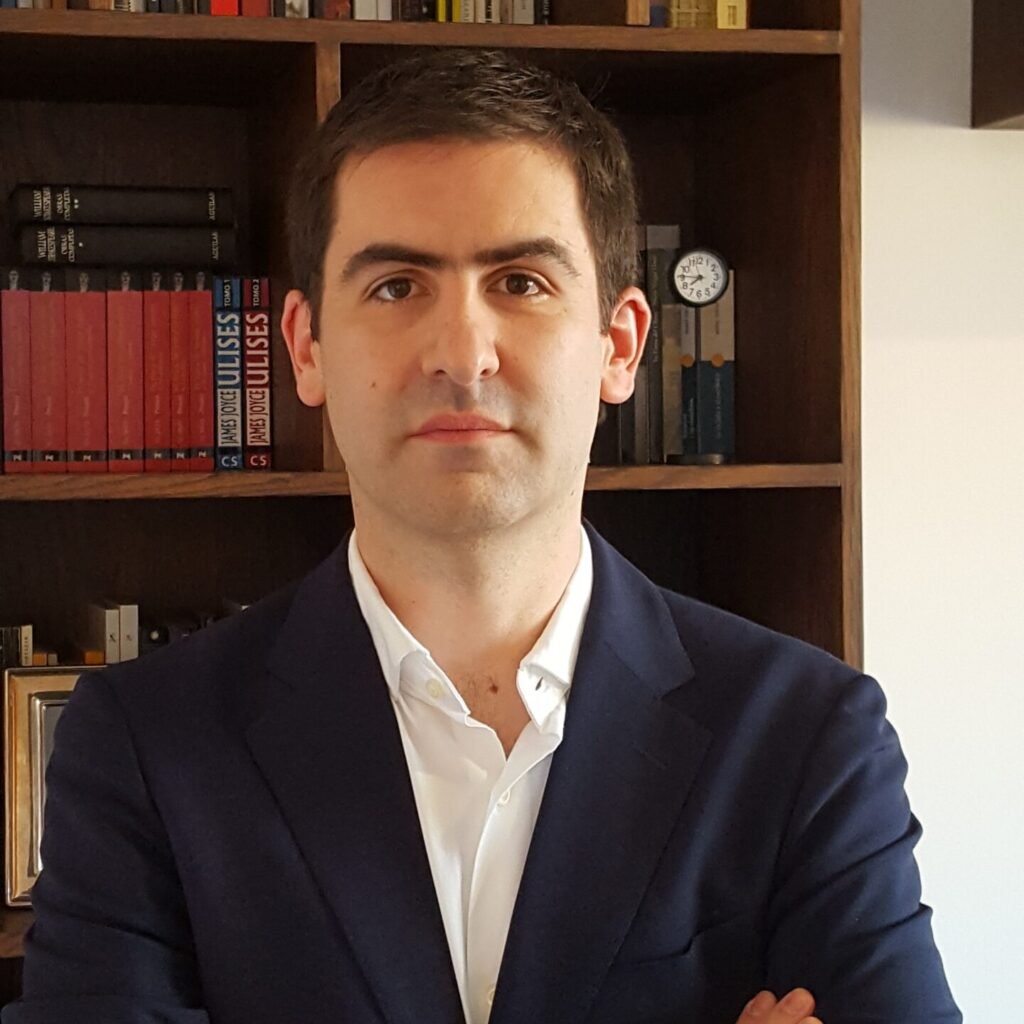
Daniel Arango Uribe is bachelor in Electrical Engineering from Universidad Pontificia Bolivariana. Holds an MBA with emphasis in finance from Tulane University. With over eight years in Grupo Bancolombia, with extensive experience in investment banking by leading projects related to energy and natural resources
He also brings six years of experience in leading companies in the electrical industry as Financial Planning Director in Celsia and CFO in HMV.
Currently, he is the director of Energy and Natural Resources at Banca de Inversión Bancolombia, where he drives financial strategies and investment solutions to accelerate the energy transition.
Armando Sepulveda
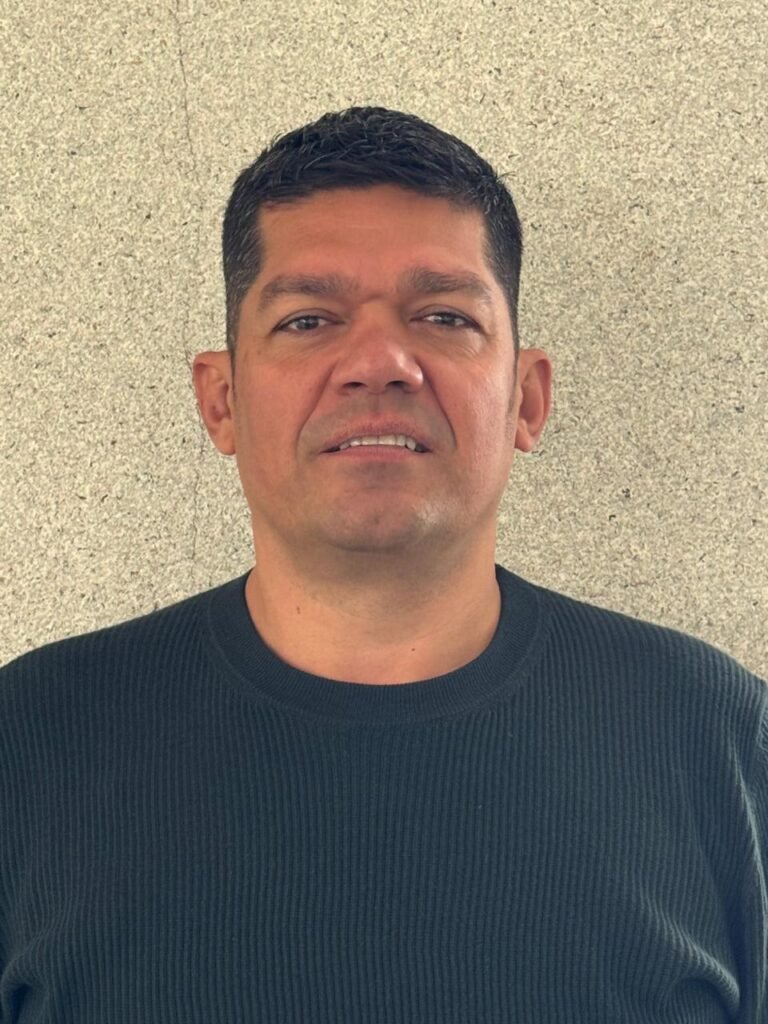
Armando Sepúlveda Niño is a Colombian entrepreneur with extensive experience in solar energy project development. In 2001, he founded THERMOWIRE S.A.S., a company that initially focused on importing solar panels. In 2017, he took a bold step by incorporating technology for the local manufacturing of high-quality solar panels in Colombia.
His vision is driven by a strong commitment to sustainability, innovation, and energy independence. Under his leadership, THERMOWIRE has become a national benchmark in the solar industry, offering efficient, durable, and competitive products while promoting environmentally responsible industrial practices.
Through his work, the company not only supports Colombia’s energy transition but also creates jobs and fosters regional development—showcasing how local entrepreneurship can drive meaningful change in the country’s energy landscape.